I feel like it’s become less socially acceptable to hit your pet than it is to hit your child. And that’s… kind of absurd.
Don’t get me wrong, I think it’s absolutely abhorrent to be hitting your pets too, but I feel like when someone hits an animal everyone’s like, “Holy shit. Someone call animal control? How can you hit something that can’t even fight back? This is disgusting.” and then when someone whacks their kid everyone’s like, “Well, you know. That’s just their parenting style.”
There was very little protection for minors before then. Children were considered the property of their parents and barely anyone intervened when they were mistreated.
Mary Ellen was rescued from unfit parents only after the American Society for the Prevention of Cruelty to Animals (ASPCA) stepped in on her behalf. ASPCA advocates pointed out that if Mary Ellen were a horse or a dog, her mistreatment would be prohibited by statute.
A judge agreed that the young girl deserved at least the same protection as an animal.
It is morbid enough that animals were legally more protected than children and that this very comparison was used to extend legal rights to children.
But the worst part is that a lot of parents have apparently not updated their beliefs since then and still treat children as property that they can do anything they want to. That is what a lot of people consider an ideal “traditional family”.
Whoa, I had no idea. That’s wild.
Dogs have more enumerated rights than minors in the state of Pennsylvania.
“Don’t call Trump supporters nazis, it hurts their feelings.”
Yes, this is real (link to tweet). Yes, Tucker Carlson is literally repeating Nazi propaganda that aided the genocide of the Romani during the Holocaust. Yes, I am furious.
(Also, although there is a large population of Romani in Romania, they aren’t indigenous to Romania. They’re a diasporic group originally from northern India.)
Romani and Jewish have been screaming at the top of their lungs for years about neo-fascism in Europe, and Americans were totally aloof.
Then neo-fascism reared its head in America, but Roma and Jews were left out of the conversation in terms of people being impacted, because our oppression was “over.”
Now Tucker Carlson is on live TV using slurs and Nazi propaganda about Romani people, and I’m 90% most people on the left are just going to ignore it.
Dammit, people, if you’re going to write a Canadian character, you can’t just throw “eh” in wherever. It’s not a verbal tic – it has a very specific semantic role.
In brief, “eh” does one of two things:
Turn an imperative into a request. e.g., “Pass me that wrench, eh?”
Turn a statement into a question. e.g., “Cold out there, eh?”
In the latter case, there are several situations where it’s commonly used:
The speaker is not sure that the statement she’s just made is correct, and is asking the listener to confirm. e.g., “That’s about forty kilometers West of here, eh?”
The speaker is checking that the listener is still interested and wishes for her to continue, but does not expect any specific response. e.g., “So then this freakin’ moose shows up, eh?”
The speaker is being sarcastic. e.g., “You really thought that one through, eh?”
When used in this way, “eh” is roughly equivalent to appending “isn’t it?” (“doesn’t it?”, “didn’t you?”, etc.) to the end of a sentence; interestingly, it also functions very much like the Japanese “ne”, which has a nearly identical effect when appended to a statement.
Now you know.
I’ve yet to hear anyone say eh. I think this is the Canadian equivalent of y’all
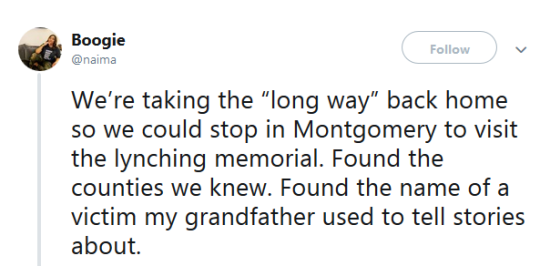
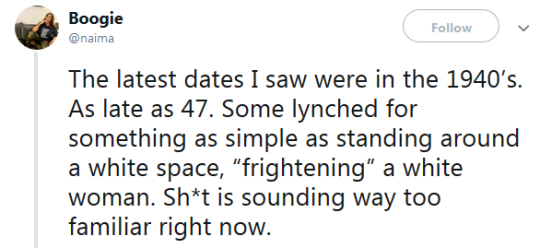
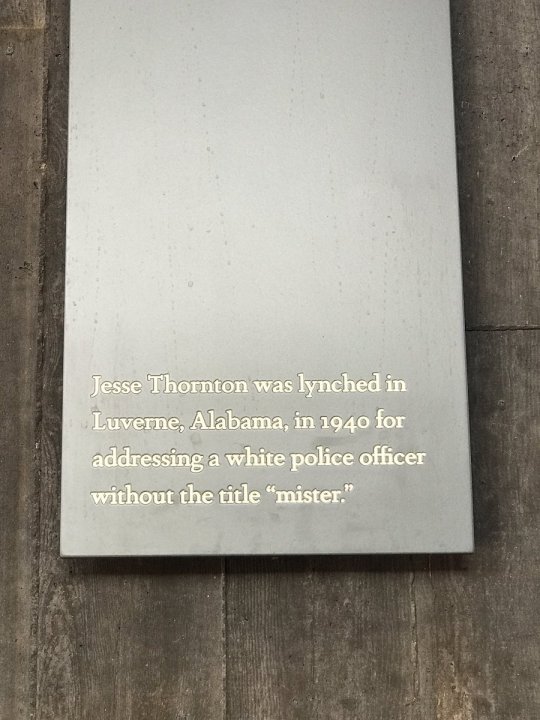
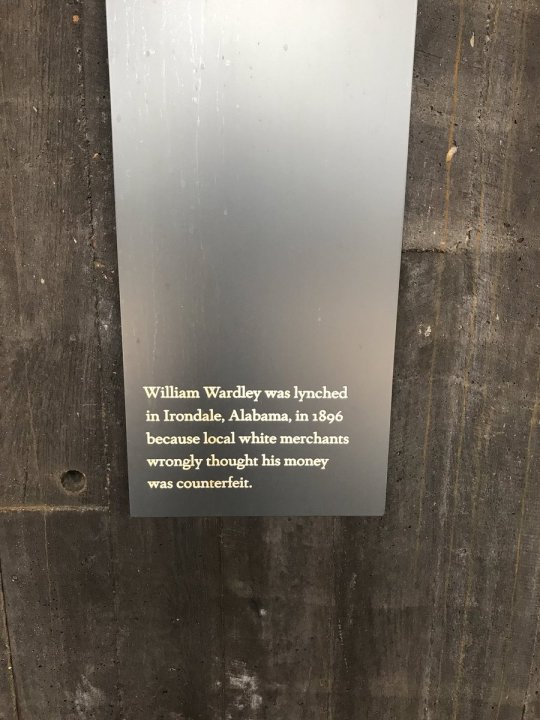
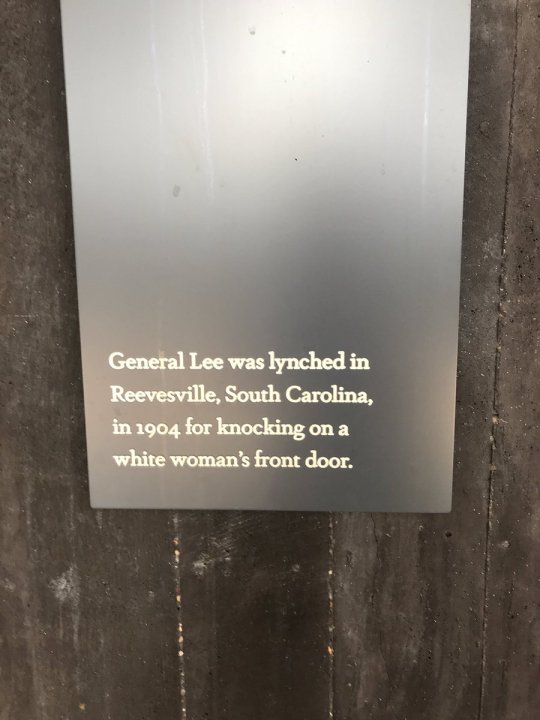
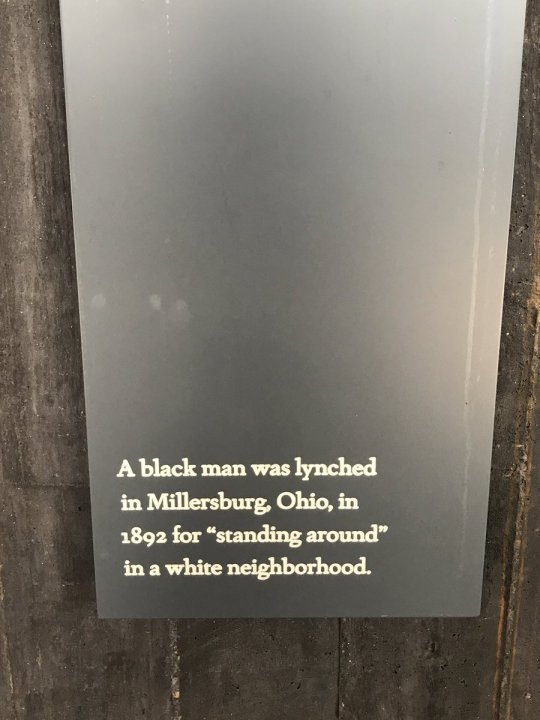
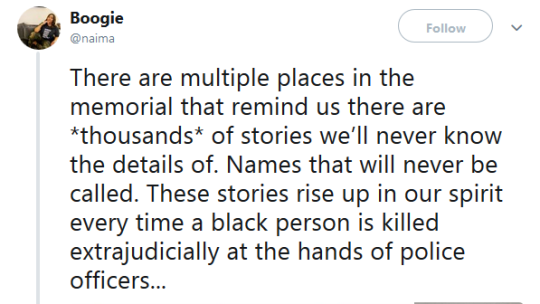
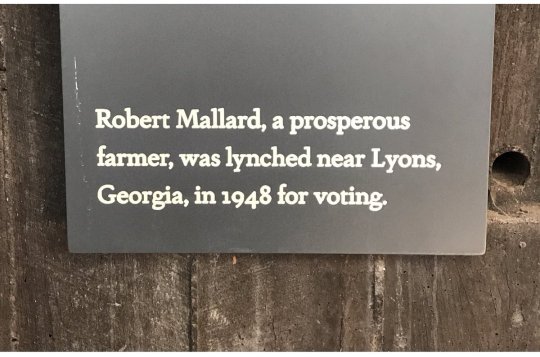
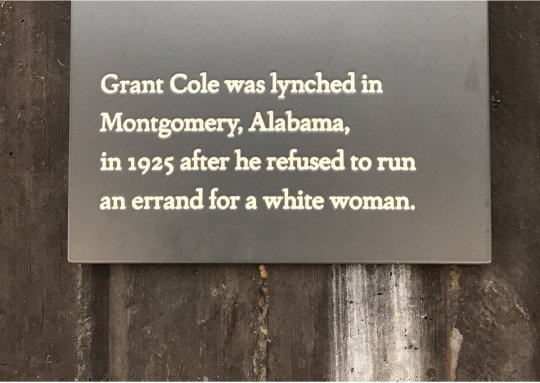
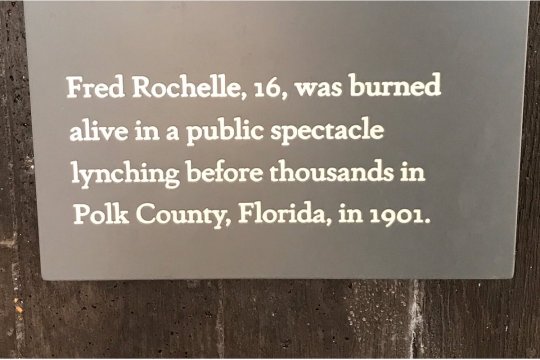
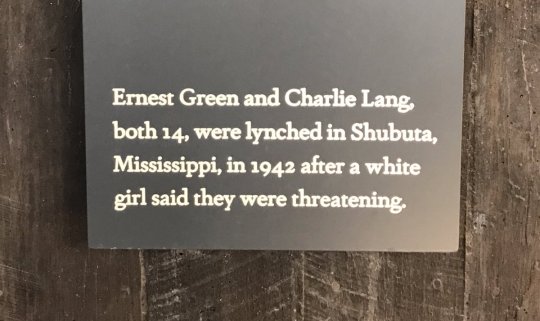
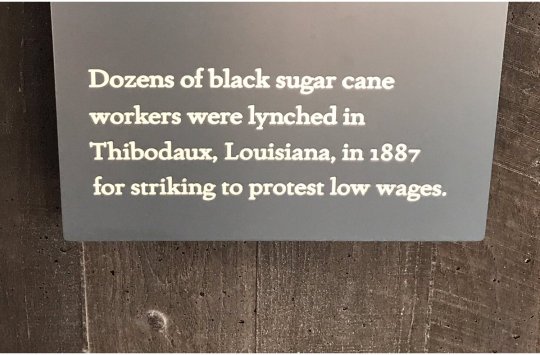
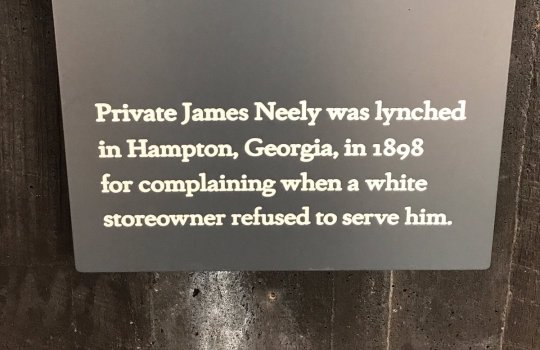
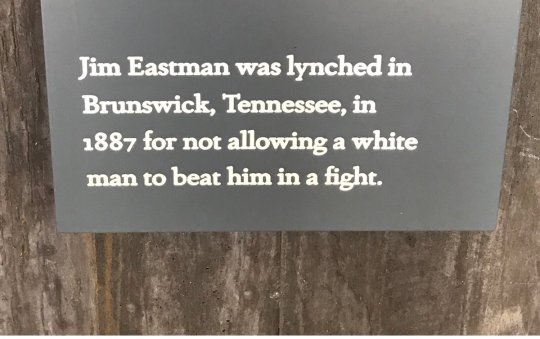
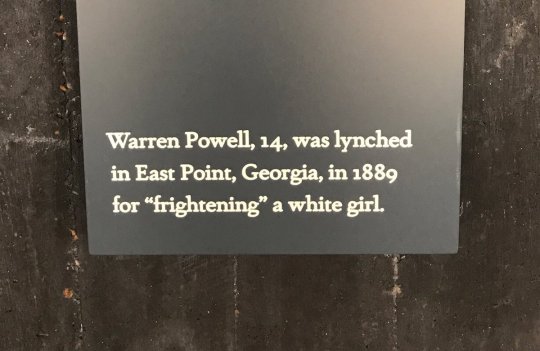
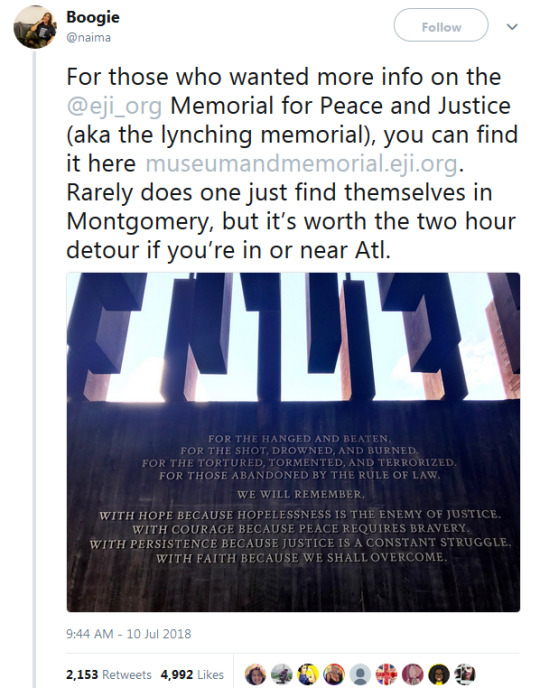
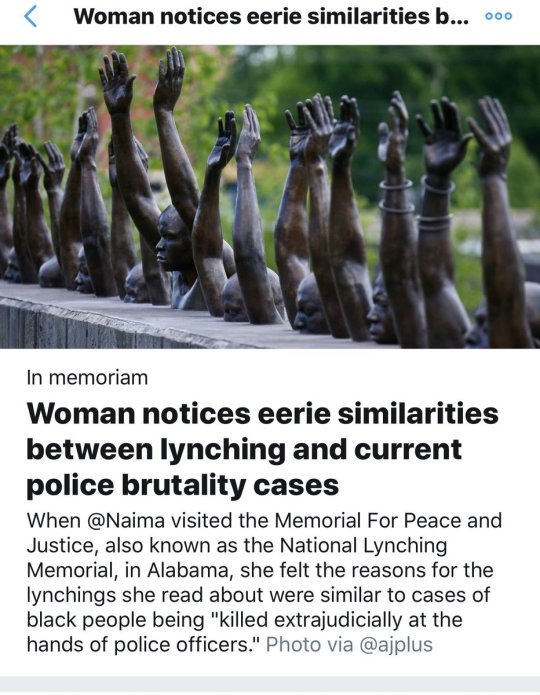
A gentle reminder that the “last lynchings” were between 1981-1991, so
it’s less than 40. The CRA act was passed 54 years ago. Not enough
people want to hear or remember that.
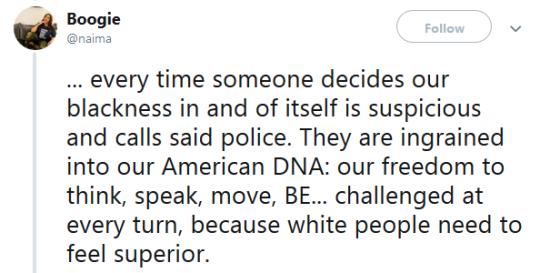
y’all should remember that lynching is the extralegal murder for an alleged offense without a legal trial. Of course these cases of people dying at the hands of police is a lynching.
I introduced a friend to ATLA a few nights ago, and they had only
known two things about the entire show: the cabbage meme, and that Aang
apparently wants to ride every large and dangerous animal he can
possibly find. We got through the first five or so episodes, and my
friend noted that Aang is exactly what a 12-year-old would be like if
given godlike powers, and that this is literally just what he
could do with airbending. He can’t even wield any of the other elements,
and he’s one of the most powerful people on the planet, because he’s an
airbender.
And that got me thinking.
This snippet from Bitter Work is one of the few pieces of concrete information we get about the airbenders, at least in ATLA. Iroh is explaining to Zuko how all four of the elements connect to the world and to each other.
Fire is the element of power, of desire and will, of ambition and the ability to see it through. Power is crucial to the world; without it, there’s no drive, no momentum, no push. But fire can easily grow out of control and become dangerous; it can become unpredictable, unless it is nurtured and watched and structured.
Earth is the element of substance, persistence, and enduring. Earth is strong, consistent, and blunt. It can construct things with a sense of permanence; a house, a town, a walled city. But earth is also stubborn; it’s liable to get stuck, dig in, and stay put even when it’s best to move on.
Water is the element of change, of adaptation, of movement. Water is incredibly powerful both as a liquid and a solid; it will flow and redirect. But it also will change, even when you don’t want it to; ice will melt, liquid will evaporate. A life dedicated to change necessarily involves constant movement, never putting down roots, never letting yourself become too comfortable.
We see only a few flashbacks to Aang’s life in the temples, and we get a sense of who he was and what kind of upbringing he had.
This is a preteen with the power to fucking fly. He’s got no fear of falling, and a much reduced fear of death. There’s a reason why the sages avoid telling the new avatar their status until they turn sixteen; could you imagine a firebender, at twelve years old, learning that they were going to be the most powerful person in the whole world? Depending on that child, that could go so badly.
But the thing about Aang, and the thing about the Air Nomads, is that they were part of the world too. They contributed to the balance, and then they were all but wiped out by Sozin. What was lost, there? Was it freedom? Yes, but I think there’s something else too, and it’s just yet another piece of the utter brilliance of the worldbuilding of ATLA.
To recap: we have power to push us forward; we have stability to keep us strong; we have change to keep us moving.
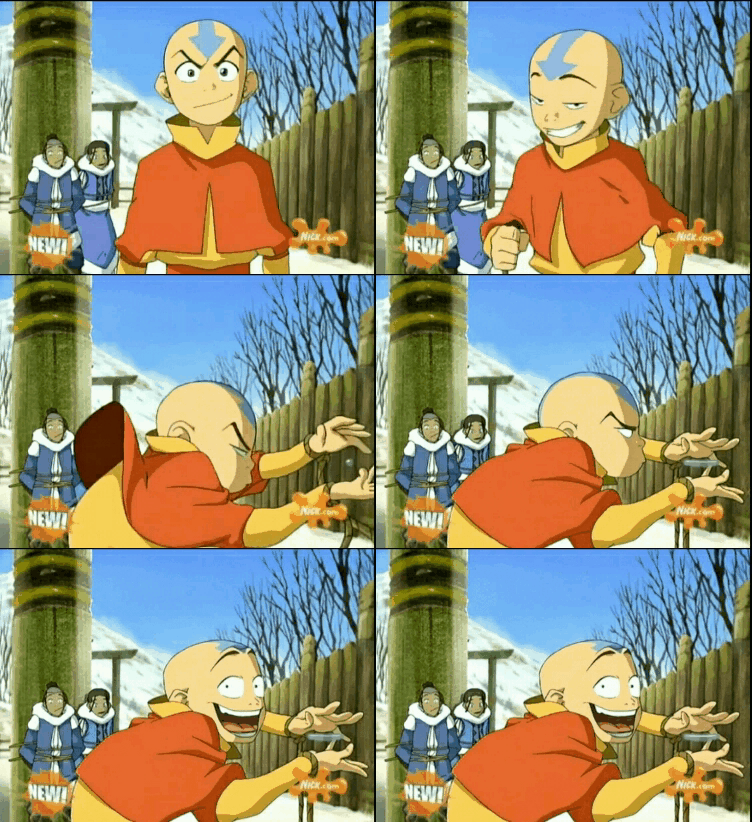
And then we have this guy.
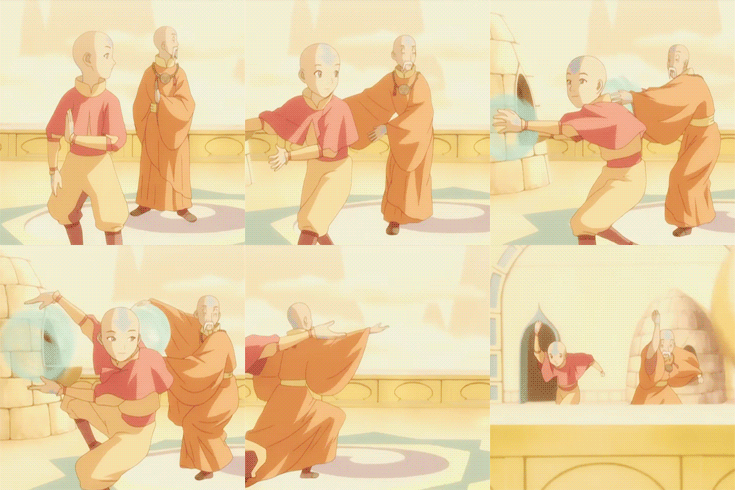
The air nomads brought fun to the world. They brought a very literal sense of lightheartedness.
Sozin saw this as a weakness. I think a lot of the world did, in ATLA. Why do the Air Nomads bother, right? They’re just up there in their temples, playing games, baking pies in order to throw them as a gag. As Iroh said above, they had pretty great senses of humour, and they didn’t take themselves too seriously.
But that’s a huge part of having a world of balance and peace.
It’s not just about power, or might, or the ability to adapt. You can have all of those, but you also need fun. You need the ability to be vulnerable, to have no ambitions beyond just having a good day. You need to be able to embrace silliness, to nurture play, to have that space where a very specific kind of emotional growth can occur. Fun makes a hard life a little easier. Fun makes your own mortality a little less frightening to grasp. Fun is the spaces in between, that can’t be measured by money or military might. Fun is what nurtures imagination, allows you to see a situation in a whole new light, to find new solutions to problems previously considered impossible.
Fun is what makes a stranger into a friend, rather than an enemy.




 Spookielights Tumblr Archive